


NEWS

BATON ROUGE–Louisianans may soon lose access to great swaths of government records currently… Read moreCloud proposes bill to limit access to government records

BATON ROUGE–The Louisiana House Tuesday kicked off discussion of Gov. Jeff Landry’s call for… Read moreHouses discusses Constitutional convention

The Louisiana State Police has issued a Level II Endangered/Missing Child Advisory on behalf… Read moreLevel II Endangered/Missing Child Advisory

Gas prices are steadily rising around the U.S. again, leaving many cash-strapped Americans s… Read moreAmericans face rising gas prices again

BATON ROUGE--Louisiana legislators continued Wednesday to advance conservative priorities, p… Read moreLegislators advance conservative bills
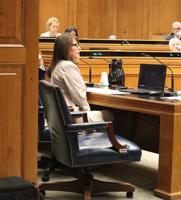
BATON ROUGE—The House Education Committee voted 10-3 Thursday to advance a bill to require p… Read moreBill requires 10 Commandments displayed at schools
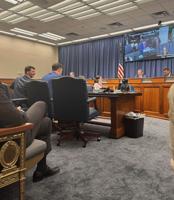
The Senate Transportation, Highway and Public Works Committee voted unanimously Wednesday to… Read moreBill reverses legislation safety cameras on I-10

Matt Mason Jr. was sentenced to life imprisonment for the murder of Tyberia Bell of Vidalia. Read moreMason sentenced to life

During standard spring electrofishing sampling on Lake Concordia on March 11, Louisiana Dep… Read moreNinety-two pound grass carp caught on Lake Concordia

The Louisiana Legislative Rural Caucus has elected Representative Travis Johnson as vice cha… Read moreJohnson vice chairman of Rural Caucus
PUBLIC NOTICES

Brandon Taylor Beard
OPINION
SPORTS BETTING

Each day, one of our experts will offer up a best bet (or two or three) that mobile sportsbo… Read moreMonday Night Football spread selection: Best Bet for Oct. 30

Each day, one of our experts will offer up a best bet (or two or three) that mobile sportsbo… Read moreWho wins the World's Largest Outdoor Cocktail Party? Best Bet for Oct. 28

Each day, one of our experts will offer up a best bet (or two or three) that mobile sportsbo… Read moreWorld Series Game 1 winner pick: Best Bet for Oct. 27
SPORTS
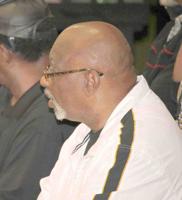
Robert Cade led Ferriday to two state titles. Read moreBig Honor
The Concordia Parish School Board voted to name the Ferriday High gymnasium after long-time … Read moreFerriday gym to be named for Cade

Aubrey Powell of Monterey scores a run against Castor. Read morePerfect slide
Monterey’s Lady Wolves went from fighting for a playoff spot to winning a first-round Divisi… Read moreLady Wolves go 1-1 in playoffs
Delta Charter’s softball team was eliminated from the playoffs Friday as the Lady Storm fell… Read moreLady Storm fall to OCS
OBITUARIES
MOST POPULAR
Articles
- LHSAA releases baseball brackets
- West Monroe falls in slugfest against East Ascension
- SOFTBALL ROUNDUP: Lady Chiefs walk off Sulphur to advance
- Flying High: OCS softball, baseball pick up massive wins
- School Board to build $4M training facility at WMHS
- West Ouachita's seniors pack heavy punch in opening round victory
- Glenwood hospital given June 11 deadline
- Student funds misappropriated, MCSB audit says
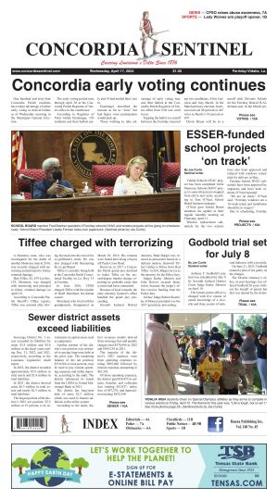
- Tiffee charged with terrorizing
- LHSAA brackets released for softball




Commented
Sorry, there are no recent results for popular commented articles.